
What Is MagFed
A More TacticalWay to Play Paintball
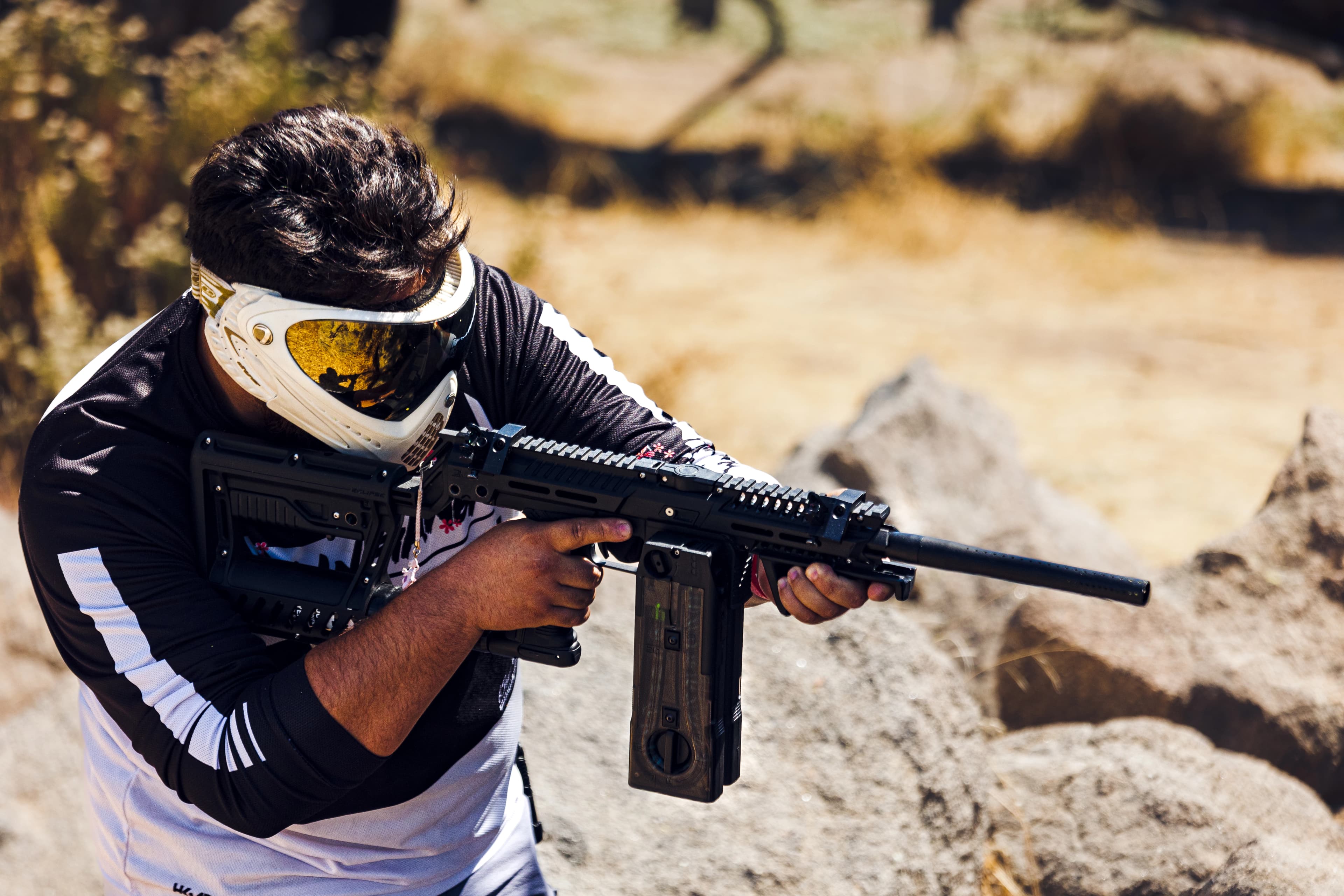
MagFed, short for magazine-fed paintball, is a more deliberate and immersive style of play built around realism, movement, communication, and precision rather than volume shooting.
Definition
Magazine-Fed Paintball Explained
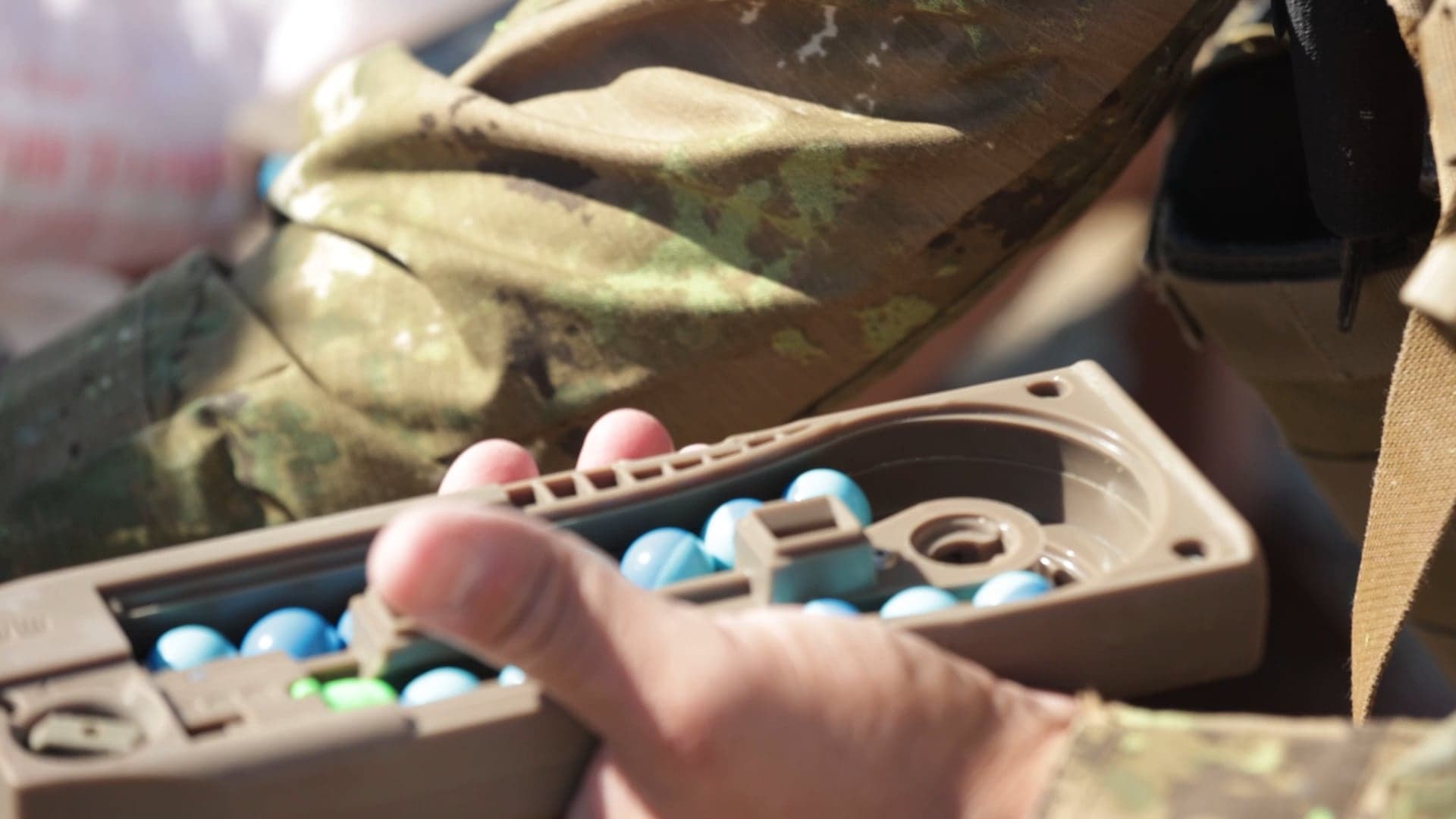
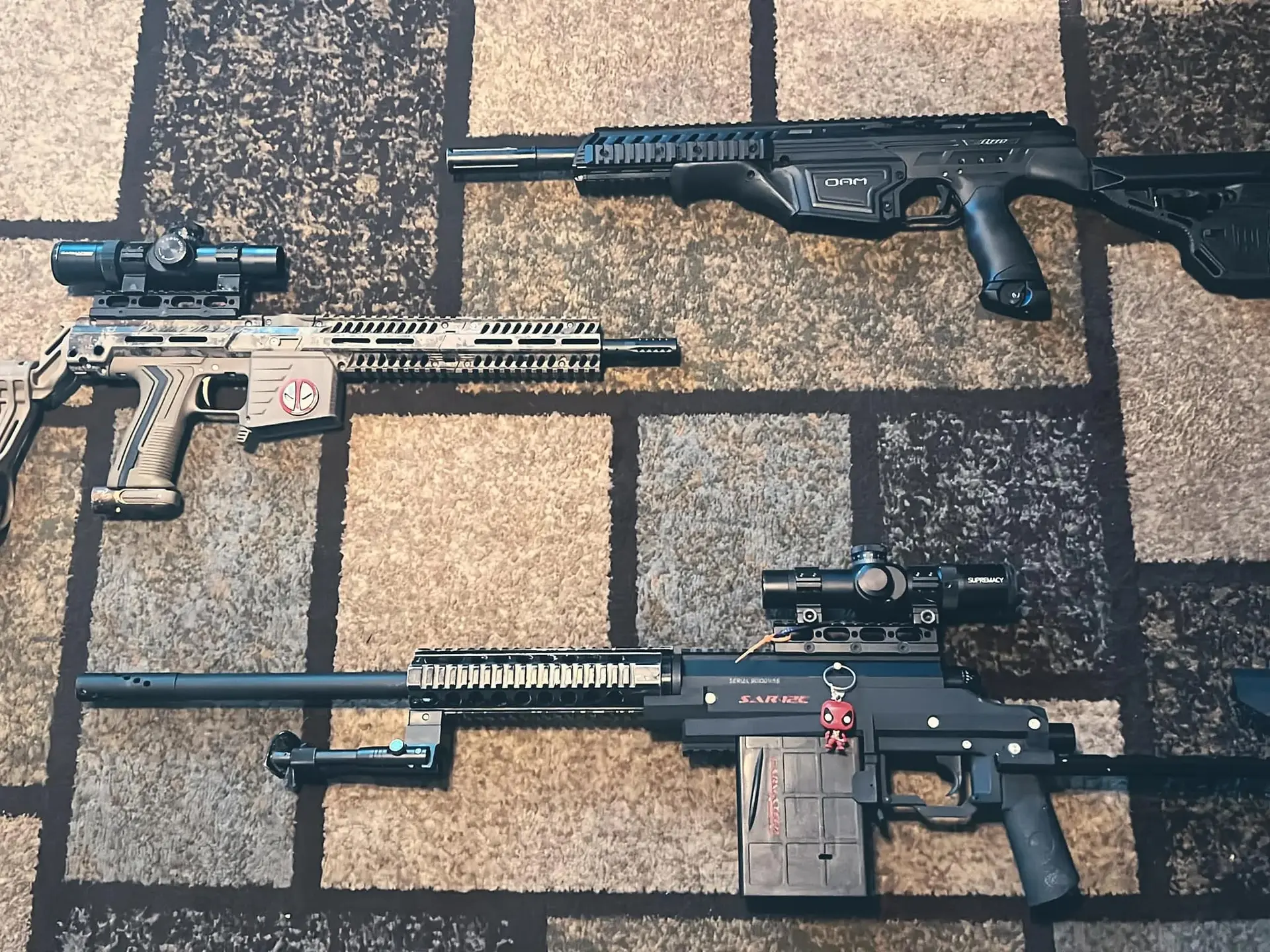
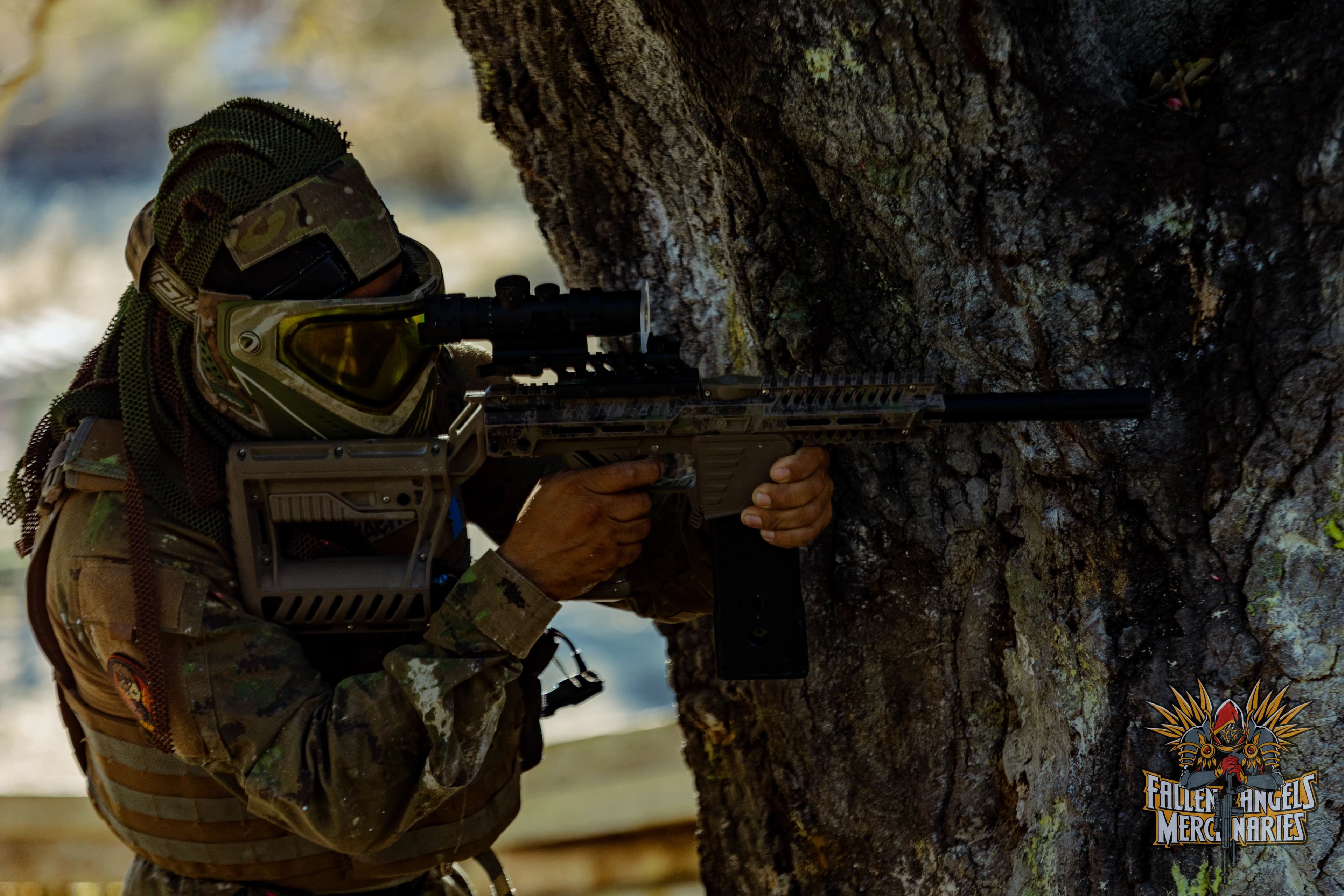
In traditional paintball, markers are often fed by a hopper that carries a large volume of paintballs. In magfed paintball, markers are fed by magazines instead, which means players carry limited rounds and reload during play.
That one difference changes everything. The pace becomes more deliberate, movement becomes more important, and the experience feels more tactical, realistic, and rewarding.
How MagFed Works
Every ReloadChanges the Game
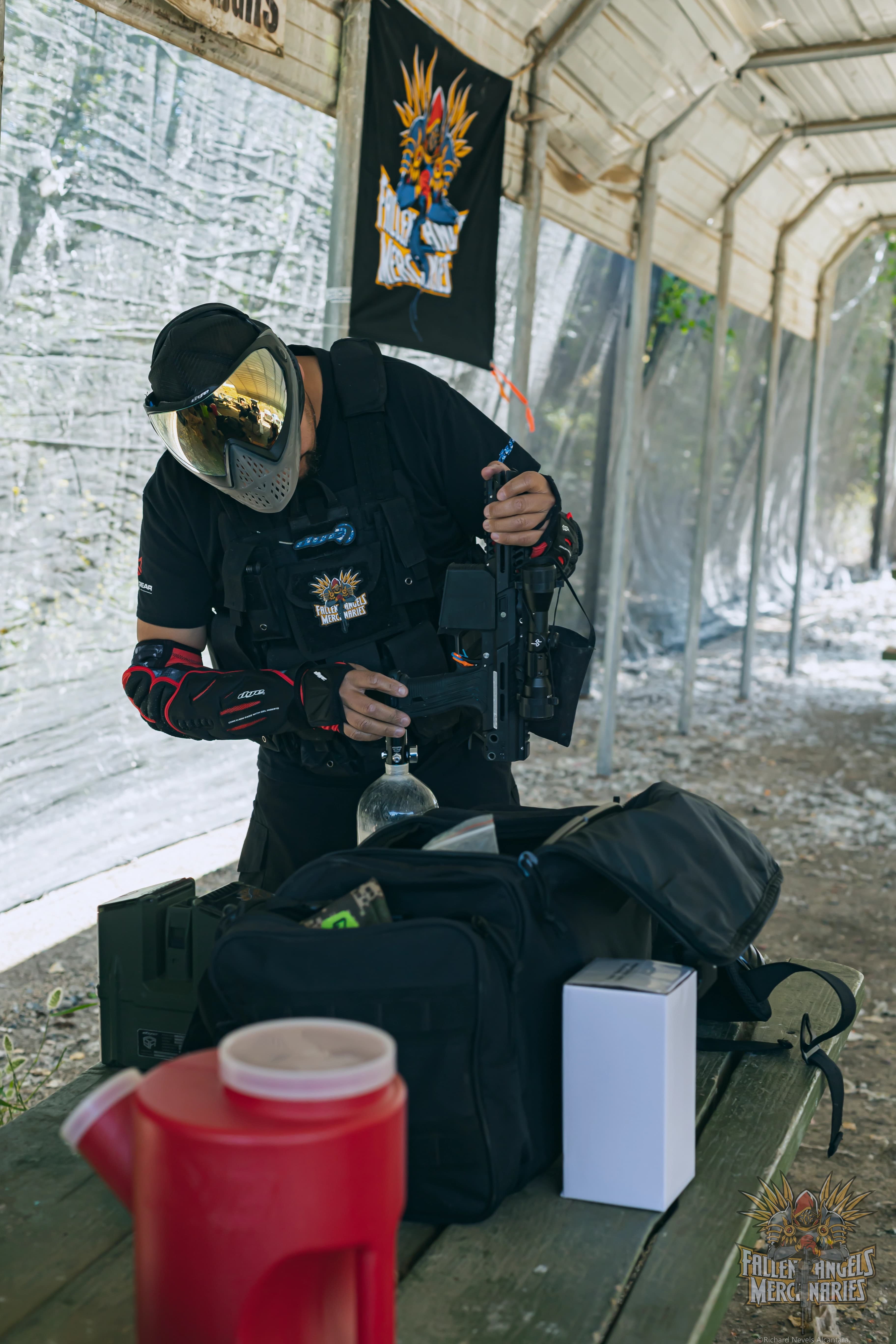
Magfed players rely on magazines rather than hoppers, which means limited rounds, active reloads, and a much greater emphasis on timing and awareness.
Reloading is not just a mechanic — it becomes part of the rhythm of play. Players must manage equipment, position carefully, and think ahead under pressure. That creates a style of paintball that feels more tactical and more deliberate.

Why It Feels Different
What Sets MagFed Apart
Precision
Limited rounds encourage smarter engagement, better shot placement, and more disciplined fundamentals.
Realism
Magazine changes and tactical movement create a more immersive field experience.
Strategy
Players must think ahead, manage resources, communicate clearly, and move with intention.
Reward
Success feels earned through timing, teamwork, and execution rather than sheer volume alone.